 En
 中文

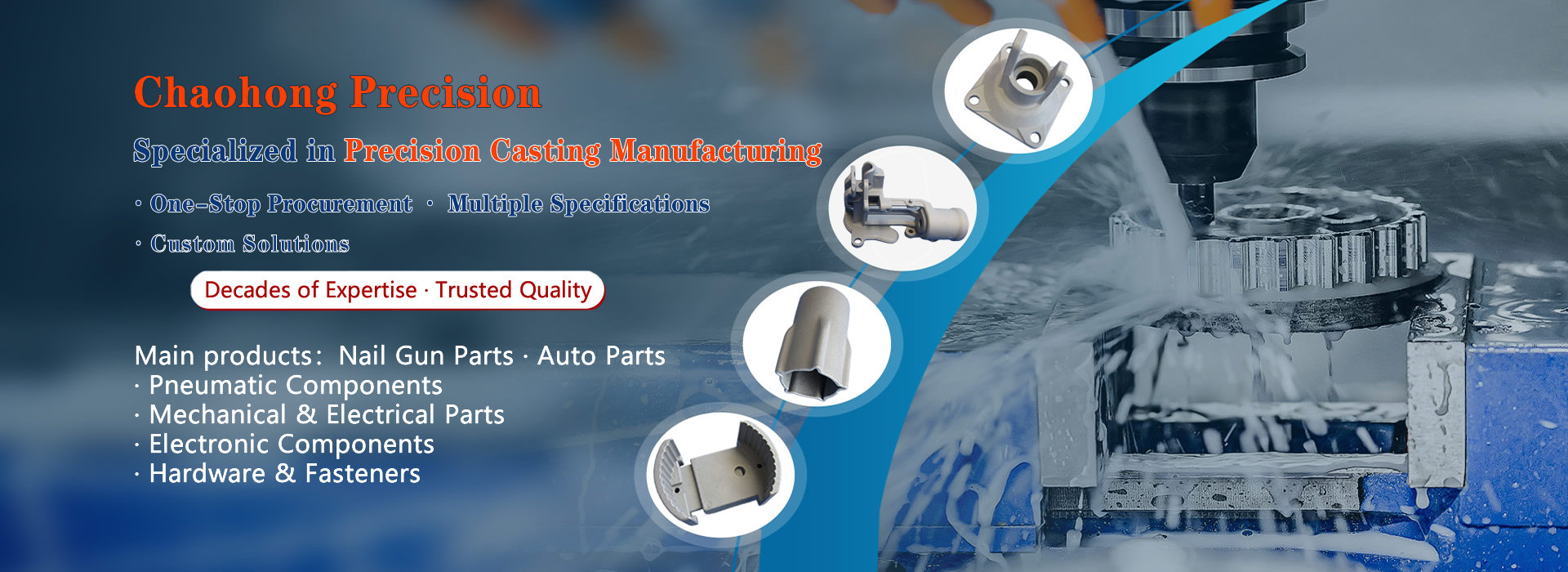
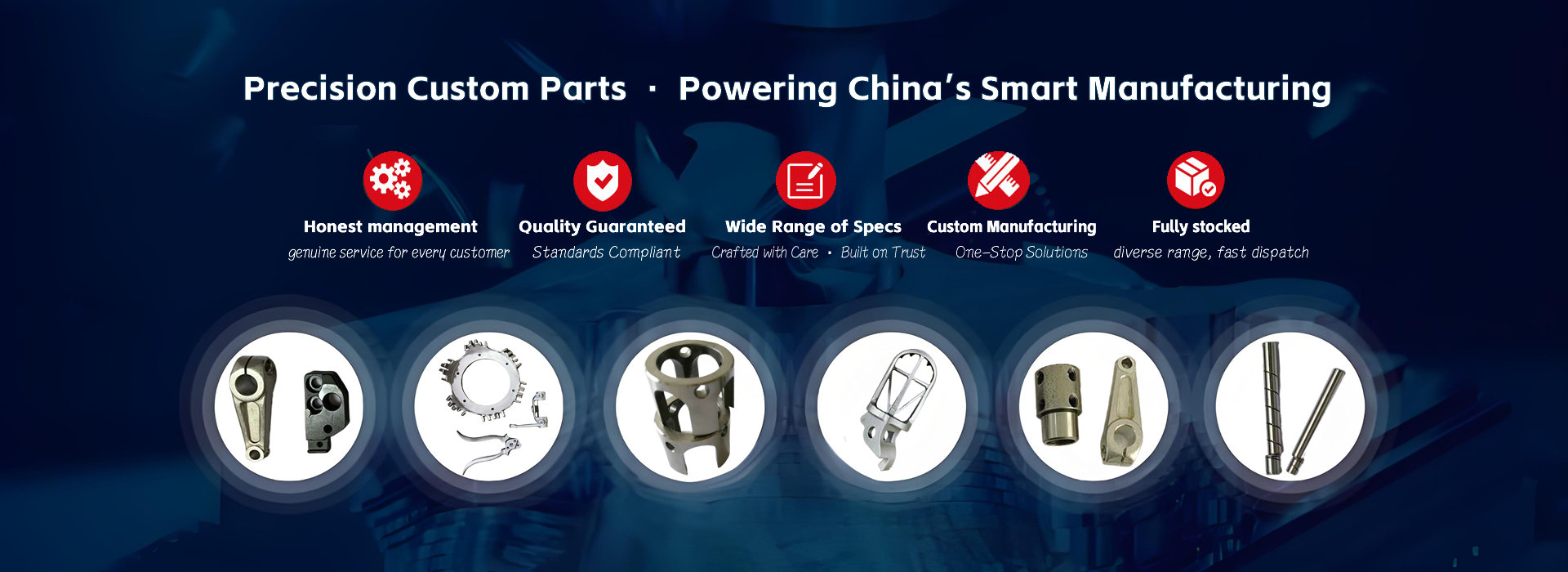
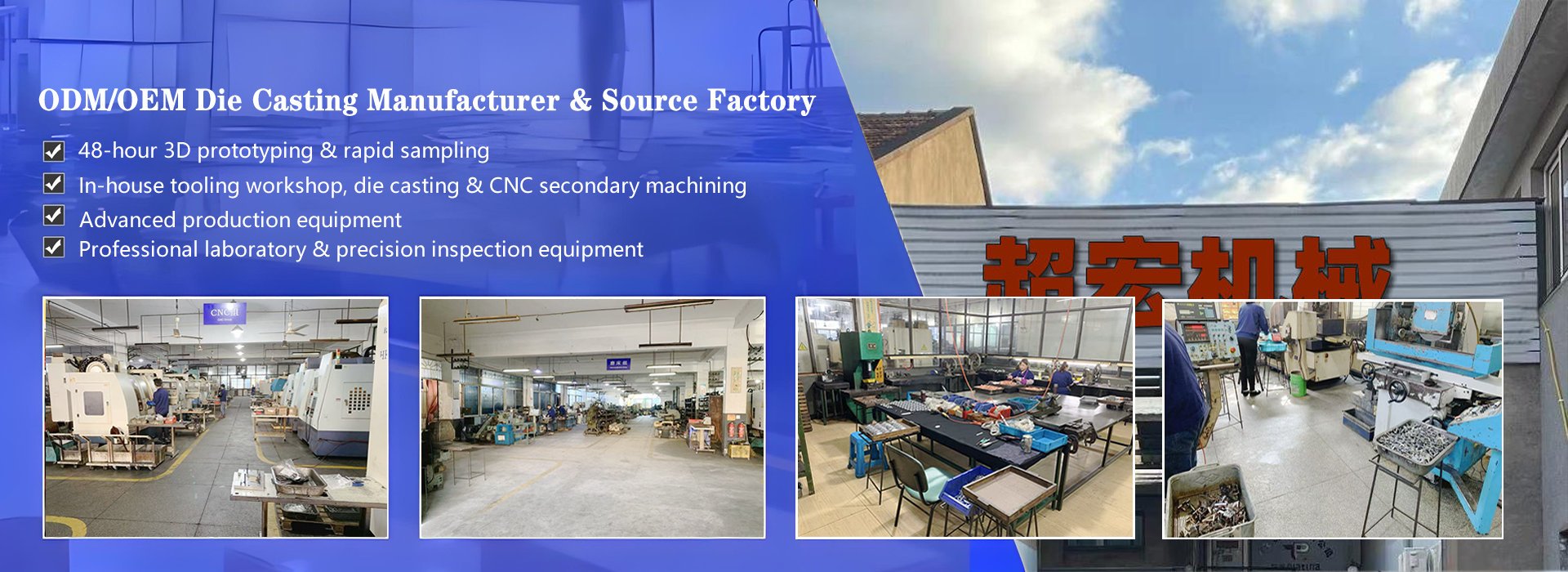
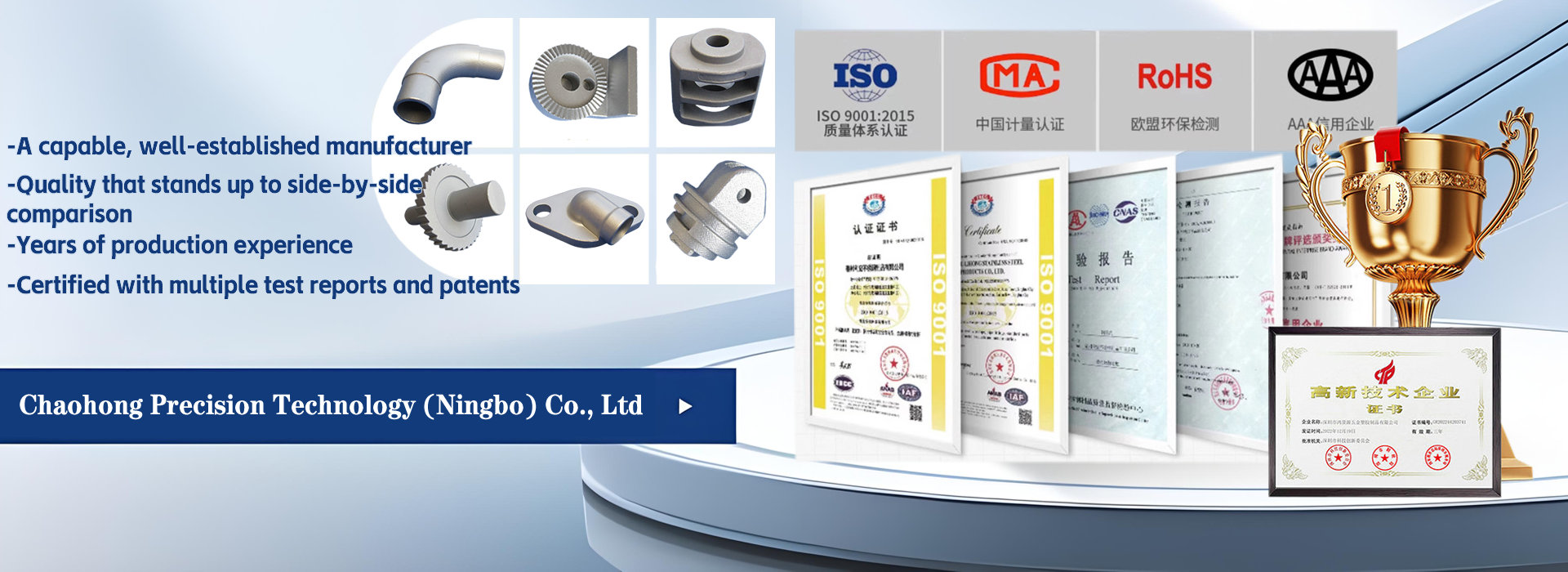
Step into the diverse world of hardware accessories and embark on a journey to explore accessories and special-shaped non-standard parts.
Enter the diverse world of hardware product accessories
Hardware product accessories, as crucial elements in industrial manufacturing and daily life, may seem ordinary, yet they play indispensable roles in various fields. From the furniture we use daily to the grand architectural structures, from the precise mechanical equipment to the small electronic products, hardware product accessories are everywhere, supporting and guaranteeing the normal operation and functionality of various products.
The common hardware product accessories are diverse and cover many types. In the furniture field, hinges are the key components connecting cabinet doors and cabinet bodies, determining the smoothness and lifespan of the cabinet door opening and closing. Brands like Bolong and Haidishi, with their high-precision manufacturing processes and excellent durability, are favored by consumers. Sliding rails make the sliding of drawers effortless and smooth. Whether it's an ordinary wooden drawer or a cabinet drawer carrying heavy loads, high-quality sliding rails can ensure its smooth operation, such as products from brands like Jia Pang and Dong Tai, which have a good reputation in the market. Handles, as the "handles" of furniture, not only have practical functions but also serve as decorative elements. Different materials (such as metal, ceramic, and wood) and shapes of handles add unique styles to furniture. In the field of architecture, hinges are used for the connection of doors and windows, enabling them to open and close flexibly; locks ensure the safety of buildings, from ordinary mechanical locks to advanced intelligent locks, with continuously upgraded technologies enhancing the security protection level; while various pipe fittings and joints are used in water supply and gas pipeline systems to ensure the sealing and stability of pipeline connections.
In industrial production, hardware product accessories are the foundation for the normal operation of mechanical equipment. Screws and nuts are used to fix various components, with different specifications and materials suitable for different working environments and mechanical requirements; bearings reduce friction and wear in mechanical movements, ensuring the efficient operation of equipment; springs are widely used in various mechanical devices, such as the shock absorption system of cars and the buffering devices of industrial equipment, serving the functions of energy storage, reset, and buffering.
Hardware product accessories, with their rich variety and wide application, have become an indispensable part of modern industry and daily life. Although small in size, they contain tremendous energy, silently supporting all aspects of our lives, creating a more convenient, comfortable, and safe living and working environment for us.
Exploring the unique realm of non-standard parts for the opposite sex
Non-standard parts for the opposite sex, as a special category of hardware product accessories, refer to those parts whose shapes, sizes, specifications, etc. do not conform to standard specifications and need to be customized and produced according to specific requirements. Compared with ordinary standard parts, non-standard parts for the opposite sex have more personalized and customized characteristics. They can meet the strict requirements of various special scenarios and high-end fields, playing an irreplaceable key role in numerous industries.
In the aerospace field, the application of non-standard parts for the opposite sex is crucial. Components of aircraft engines, such as blades and turbine discs, often need to have complex shapes and special performance to adapt to extreme working environments of high temperature, high pressure, and high rotational speed. The manufacturing of these non-standard parts requires the use of advanced materials and precise processing techniques to ensure that they still maintain stable performance and reliable quality under harsh conditions, providing a solid guarantee for the safe flight of aircraft. For example, the blades of an aircraft engine use a special alloy material and are manufactured through five-axis numerical control processing technology. Their complex curved surface shapes and high-precision dimensions enable the blades to efficiently push the airflow while also withstanding huge centrifugal force and thermal stress.
The automotive manufacturing industry is also one of the important application fields of non-standard parts for the opposite sex. With the continuous development of automotive technology, the requirements for the performance and personalization of components are getting higher and higher. Components for some special models, such as lightweight suspension parts for high-performance sports cars and customized interior decoration parts, all require custom-made non-standard parts to meet unique design and functional requirements. These non-standard parts not only need to have high strength and lightweight characteristics,but also need to match the design style of the entire vehicle to enhance the overall performance and quality of the car. For example,the aluminum alloy suspension arm of a high-end sports car adopts an unconventional design and is manufactured through optimized structure and material optimization, reducing weight while maintaining strength,and improving the vehicle's handling performance.
In the electronic equipment manufacturing field,non-standard parts for the opposite sex are also indispensable. With the development of electronic products towards miniaturization, lightweighting, and high performance,the requirements for the precision and integration of internal components are getting higher and higher. Some special-shaped connectors, unconventional heat sinks,and other non-standard parts can meet the layout requirements of compact spaces in electronic equipment,achieving efficient signal transmission and heat dissipation functions. For example,the motherboard connector of a certain smartphone adopts an unconventional design,enabling more pins to be connected in a limited space, improving the speed and stability of data transmission.
Production Process Unveiled: The Manufacturing Techniques of Hardware Product Components
The production processes of hardware product components are diverse and each has its unique characteristics and applicable scenarios. The stamping process is a machining method based on the plastic deformation of metals. It uses molds and stamping equipment to apply pressure to sheet materials, causing them to undergo plastic deformation or separation, thereby obtaining parts with specific shapes, dimensions, and properties. In the automotive manufacturing industry, large cover components such as car doors, engine covers, and luggage compartment covers are mostly produced using the stamping process. These components have high requirements for appearance and dimensional accuracy, and the stamping process can ensure their quality and consistency. The stamping process has the advantages of high production efficiency, high material utilization rate, and convenient operation, and is suitable for the production of large-batch parts. It is conducive to achieving mechanization and automation.
The casting process involves pouring liquid metal into a mold to obtain parts with the desired shape and properties after cooling and solidification. Sand casting is one of the most commonly used casting methods. It is adaptable to a wide range of applications, including small and large items, simple and complex items, single pieces and large batches. Sand molds have higher fire resistance than metal molds, so materials with higher melting points such as copper alloys and black metals are often processed using this method. However, since each sand casting can only be poured once and the mold is damaged after obtaining the casting, it must be remolded, so the production efficiency of sand casting is relatively low. Also, because the overall nature of sand is soft and porous, the dimensional accuracy of the castings is low and the surface is rough. The lost-wax casting process is suitable for producing small parts with complex shapes, high precision requirements, or those that are difficult to process by other methods, such as turbine engine blades. This process has high dimensional accuracy and a smooth surface, but has low production efficiency. It is suitable for small-batch production or large-scale parts. The lost-wax casting process can significantly increase the strength and toughness of metals and is often used to manufacture parts that withstand high stress and high loads.
The process of manufacturing non-standard parts of different shapes
Due to the special shapes and dimensions of non-standard parts of different shapes, as well as the customization requirements, their production processes are often more complex and have higher precision and technical requirements. Precision processing is one of the commonly used processes in the production of non-standard parts of different shapes. For example, five-axis联动 processing technology has played an important role in the manufacturing of tungsten steel non-standard parts. Tungsten steel materials have high hardness, high wear resistance, and high temperature resistance, but also have the risk of brittleness. Traditional processing methods are difficult to meet the high precision requirements of complex non-standard tungsten steel parts. Five-axis Linkage processing dynamically adjusts the tool space posture through A/B/C axes to ensure that the cutting edge always contacts the tungsten steel surface at the optimal angle, reducing the lateral force on the tool and reducing the risk of breakage, and can achieve micrometer-level tolerance control for non-standard parts such as turbine blades and irregular molds, and also reduce the number of clamping times and avoid repetitive positioning errors.
3D printing technology has also brought new possibilities for the production of non-standard parts of different shapes. It can manufacture complex-shaped parts by layering materials according to the design model, without the need for traditional mold manufacturing and processing procedures, significantly shortening the production cycle, and enabling highly personalized designs. In the aerospace field, some non-standard parts with complex internal structures can be easily manufactured using 3D printing technology, meeting the requirements of aircraft for lightweight and high performance of components.
In addition,electrical discharge machining (EDM) is also a high-precision technology used for the processing of non-standard parts of different shapes, which can cut almost any conductive material. A thin strip of electrically charged EDM wire forms one electrode,while the material to be cut forms the other electrode. The discharge between the two electrodes generates sparks that cut the material. Since the electrically charged wire never contacts the workpiece during EDM processing,this process can be used to manufacture very small and precise parts that cannot achieve the precision and complexity required by traditional processing.
Market Status and Development Trends - The Market for Hardware Product Accessories
Hardware product accessories, as indispensable basic components in industrial production and daily life, have a large market size and a steadily growing demand. With the continuous development of global manufacturing and the continuous improvement of people's living standards, hardware product accessories are increasingly widely used in numerous fields such as construction, home furnishing, automobiles, electronics, etc., driving the steady expansion of the market size. According to relevant data statistics, the global market size of hardware accessories reached 135 billion US dollars in 2025, and the Chinese market, with a scale of 68 billion US dollars, occupied 50% of the global market share, firmly ranking first. Among them, construction hardware accessories accounted for the largest application share in 2024, reaching 58.3%. In residential new construction projects, the average consumption of complete sets of hardware accessories per square meter of building area is approximately 67 yuan, while in high-end Fully furnished apartment projects,this value can increase to 112 yuan, reflecting that the product value-added significantly increases with the upgrade of application scenarios.
From the perspective of regional distribution, the market for hardware product accessories shows significant regional differences. China has formed three major industrial clusters: the Yangtze River Delta, the Pearl River Delta, and the Beijing-Tianjin-Hebei region. The Yangtze River Delta region, leveraging the industrial synergy of Shanghai, Jiangsu, and Zhejiang, dominates the high-end precision hardware sector; the Pearl River Delta region, relying on the demand for home appliances and electronics, has become the research and manufacturing center for smart home hardware accessories; the Beijing-Tianjin-Hebei region, taking advantage of the construction opportunity of Xiongan New Area, has achieved rapid expansion in the construction hardware sector. The eastern coastal regions, due to their developed economies and concentrated manufacturing industries, account for 65% of the market size. However, the central and western regions have experienced faster growth in recent years. Sichuan, Chongqing, and Hubei, relying on the transfer of the automotive industry, have seen an annual growth rate of over 20% in the output value of hardware accessories; the western region has formed characteristic industrial clusters in the fields of photovoltaic brackets and wind turbine fasteners, with the export value of related products reaching 5 billion US dollars by 2025.
In recent years, the rise of e-commerce has brought new development opportunities and changes to the hardware product accessories market. The market share of online channels has gradually increased, and by 2025, the proportion of online channels has risen to 45%, with live-streaming e-commerce contributing 18% of the sales volume of home hardware. E-commerce has broken the geographical restrictions of traditional sales channels, enabling consumers to obtain information on various hardware product accessories more conveniently, compare prices and make product choices. At the same time, e-commerce has provided broader sales channels for enterprises, reduced marketing costs, and improved market promotion efficiency. Through e-commerce, enterprises can directly contact end consumers, promptly understand market demands and feedback, and thereby optimize product design and production strategies.
The market for non-standard parts of the opposite sex
With the continuous upgrading and high-end development of the manufacturing industry, the non-standard parts market of the opposite sex is showing a rapid development trend. In the high-end manufacturing field, the importance of non-standard parts of the opposite sex as the core of customized equipment is increasingly prominent. From 2021 to 2023, the market size of China's precision non-standard parts industry has grown from about 120 billion yuan to nearly 150 billion yuan, with an average annual compound growth rate of over 12%. It is expected that the overall size will exceed 180 billion yuan by 2025. This growth is mainly due to the continuous expansion of downstream application fields, especially in high-end manufacturing fields such as new energy vehicles, semiconductor equipment, medical devices, and aerospace, where the demand for non-standard components of different materials is showing explosive growth. In the new energy vehicle industry chain, customized demand for non-standard components such as battery structural parts and motor housings will contribute nearly 30% of the industry's revenue share in 2023. With the acceleration of domestic substitution process, the annual demand growth rate for ultra-high precision anisotropic non-standard components required for semiconductor equipment exceeds 20%.
Gender-specific non-standard components play a crucial role in the high-end manufacturing sector. In the aerospace field, gender-specific non-standard components are used to manufacture key components of aircraft, such as engine blades and turbine discs. These components need to operate stably in extreme environments of high temperature, high pressure, and high rotational speed, and have extremely high requirements for part precision, performance, and reliability. In the medical equipment manufacturing field, gender-specific non-standard components are used to manufacture the rotating frame of CT scanners and the precise transmission components of minimally invasive surgical instruments. They not only need to have high processing accuracy to ensure the accuracy and operational flexibility of the equipment, but also need to meet biocompatibility and hygiene standards. In the semiconductor manufacturing field, gender-specific non-standard components are used to manufacture wafer carriers and precise motion components of lithography machines. The requirements for the flatness and straightness of the parts reach the nanometer level.
In the future, the market for gender-specific non-standard components will continue to grow. With the continuous advancement of technology, the precision, performance, and reliability requirements of the high-end manufacturing sector for gender-specific non-standard components will continue to increase, driving gender-specific non-standard component manufacturers to increase investment in research and development, and improve production processes and technical levels. At the same time, the market demand for gender-specific non-standard components will become more diverse and personalized, and customized production will become the mainstream. Moreover, with the acceleration of globalization, the international competition in the gender-specific non-standard component market will become increasingly fierce. Enterprises need to strengthen international cooperation and exchanges, expand the international market, and enhance their international competitiveness.
Summary and Outlook
Hardware product accessories and non-standard parts of different genders, as indispensable and important components in the industrial field, each demonstrate unique charm and value. Hardware product accessories, with their rich variety and wide application, penetrate into every corner of industrial manufacturing and daily life, becoming the fundamental force supporting the normal operation of modern society; Non standard parts of the opposite sex, with their personalized and customized characteristics, meet the special needs of high-end manufacturing for components and become a key factor in promoting technological progress and industrial upgrading.
From the perspective of application fields, hardware product accessories and non-standard parts of different genders play an important role in many industries. In traditional industries such as construction, home furnishings, automotive, and electronics, hardware product accessories are the key to ensuring product quality and performance; In high-end manufacturing fields such as aerospace, medical equipment, and semiconductors, non-standard components with high precision and performance have become the core for achieving technological breakthroughs and innovation. With the continuous development and upgrading of various industries, the demand for hardware product accessories and non-standard parts of different genders is also continuously increasing, and the requirements for their quality, performance, and accuracy are becoming higher and higher.
The advancement of production techniques is a crucial driving force for the development of hardware product accessories and non-standard special parts. Traditional processes such as stamping, casting, and forging are constantly being optimized and improved, enhancing production efficiency and product quality; while advanced technologies like five-axisLinkage processing, 3D printing, and electrical discharge machining have brought new possibilities to the production of non-standard special parts, making it possible to manufacture parts with complex shapes and high precision requirements. In the future,with the continuous advancement of technology, new production techniques and technologies will continue to emerge, providing stronger technical support for the development of hardware product accessories and non-standard special parts.
In terms of the market situation, the market for hardware product accessories is large and the demand is steadily growing,showing significant regional differences. The rise of e-commerce has brought new opportunities and changes to the market;the market for non-standard special parts,with the upgrading and high-end development of manufacturing,is showing a rapid development trend,and its importance in the high-end manufacturing field is increasingly prominent. In the future,the market for hardware product accessories will continue to grow,and the role of e-commerce channels will further strengthen;the market for non-standard special parts will be driven by high-end manufacturing to continuously expand its market size,and the demand for customized and high-precision products will become more prominent.
Looking ahead, hardware product accessories and non-standard parts of different shapes will, driven by technological innovation, open up a broader space for development. On one hand, the continuous emergence of new materials and new technologies will promote the development of hardware product accessories and non-standard parts towards higher performance, higher precision, lightweight, and intelligence, meeting the constantly upgrading demands of various industries. For example, the application of new alloy materials will enhance the strength and corrosion resistance of hardware product accessories; the integration of intelligent technology will enable non-standard parts to have functions such as self-monitoring, self-diagnosis, and adaptive adjustment. On the other hand, with the digitalization, networking, and intelligence transformation of manufacturing, the production and supply chain management of hardware product accessories and non-standard parts will become more efficient and intelligent, achieving precise control of the production process and optimal allocation of resources. At the same time, market competition will prompt enterprises to continuously enhance their innovation capabilities and service levels, strengthen brand building, and stand out in the fierce market competition.
Hardware product accessories and non-standard parts play an irreplaceable and important role in industrial development. Their development not only relates to the overall level of manufacturing but is also closely related to people's lives. It is believed that in the future, with the continuous innovation of technology and the continuous demand of the market, hardware product accessories and non-standard parts will shine even more brightly in their respective fields, making greater contributions to promoting industrial progress and social development.